NYFW Casting: Inside the Selection Process of Fashion’s Biggest Stage
New York Fashion Week is more than a glamorous series of runway shows—it is a powerful industry gateway where careers are launched and trends are born. At the heart of this global fashion event lies nyfw casting, a process that determines who steps onto the runway and represents a designer’s vision. For aspiring models, designers, and fashion enthusiasts, understanding how casting works offers valuable insight into the business behind the beauty.
This article explores the structure, expectations, and evolution of casting at New York Fashion Week, revealing what truly matters beyond looks and hype.
Understanding the Purpose of NYFW Casting
At its core, nyfw casting is about alignment. Designers seek models who can embody their collection’s story, energy, and identity. While traditional beauty standards once dominated the process, today’s casting decisions reflect a more inclusive and expressive fashion culture.
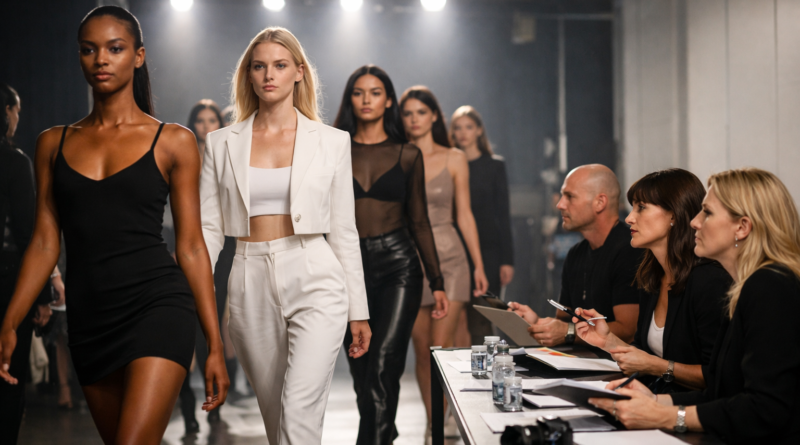
Casting directors act as the bridge between designers and talent. Their job is to assemble a lineup that enhances the garments, complements the runway theme, and resonates with modern audiences. Every walk, pose, and expression contributes to the overall impact of a show.
How the Casting Process Works
The process usually begins weeks before Fashion Week. Modeling agencies submit portfolios of their talent, and independent models may attend open calls. During nyfw casting, models are evaluated on posture, walk, confidence, and how well they fit the designer’s aesthetic.
Callbacks are a crucial stage. Designers often narrow their choices and ask selected models to return for fittings. These sessions help determine how the garments move on the body and whether adjustments are needed. Final selections are made only after careful consideration.
What Designers Look for in Models
Contrary to popular belief, casting is not solely about height or measurements. While industry standards still exist, nyfw casting increasingly values individuality, authenticity, and presence.
Designers look for:
-
A strong and natural runway walk
-
Confidence and adaptability
-
Facial expressions that match the mood of the collection
-
Professionalism and punctuality
Models who can quickly understand and express a designer’s vision often stand out more than those with conventional looks alone.
The Role of Casting Directors
Casting directors play a central role in nyfw casting, using their experience to curate a balanced and impactful lineup. They consider diversity, cohesion, and storytelling when selecting models. Their reputation and network also help designers access both established faces and fresh talent.
Many casting directors are known for shaping iconic runway moments. Their choices influence not only a single show but also broader industry trends.
Open Calls vs. Agency Submissions
There are two main paths into nyfw casting: agency representation and open calls. Agency submissions are more common, as agencies pre-vet talent and ensure professionalism. However, open calls provide opportunities for new and independent models to be seen.
Open calls can be competitive and fast-paced. Models are expected to arrive prepared, dressed simply, and ready to walk. Making a strong first impression is essential.
Diversity and Inclusion in Modern Casting
One of the most significant changes in nyfw casting is the shift toward inclusivity. Designers and casting directors now prioritize representation across race, age, body type, and gender identity.
This evolution reflects both cultural progress and audience demand. Inclusive casting not only broadens fashion’s appeal but also adds depth and realism to runway presentations. Models who bring unique backgrounds and stories are increasingly celebrated.
Behind-the-Scenes Challenges
While the runway appears effortless, nyfw casting involves intense pressure behind the scenes. Tight schedules, last-minute changes, and fitting adjustments are common. Models must remain flexible and professional throughout the process.
Designers may also face challenges, such as finding the right balance between creative vision and logistical constraints. Successful casting requires teamwork, communication, and trust.
Why NYFW Casting Matters Globally
The influence of nyfw casting extends far beyond New York. Trends introduced on these runways shape global fashion weeks, editorial shoots, and commercial campaigns. Models who walk NYFW often gain international exposure and career-defining opportunities.
For the industry, casting decisions send powerful messages about beauty standards, cultural values, and the future direction of fashion.
Tips for Aspiring Models
If you aspire to participate in nyfw casting, preparation is key:
-
Build a clean, professional portfolio
-
Practice a confident runway walk
-
Stay informed about designers and trends
-
Maintain professionalism in all interactions
Persistence and resilience are essential. Many successful models faced rejection before their breakthrough moment.
The Future of Casting at New York Fashion Week
As fashion continues to evolve, nyfw casting will likely become even more inclusive, tech-driven, and creative. Digital submissions, virtual castings, and social media presence are already influencing selection processes.
What remains constant is the importance of authenticity. Models who bring genuine expression and adaptability will continue to define the runway experience.
Conclusion
From open calls to final fittings, nyfw casting is a complex and influential process that shapes the fashion world each season. It blends art, business, and culture into a single, high-stakes selection journey. Understanding this process reveals that the runway is not just about clothes—it’s about storytelling, representation, and vision brought to life.
Share this content: