
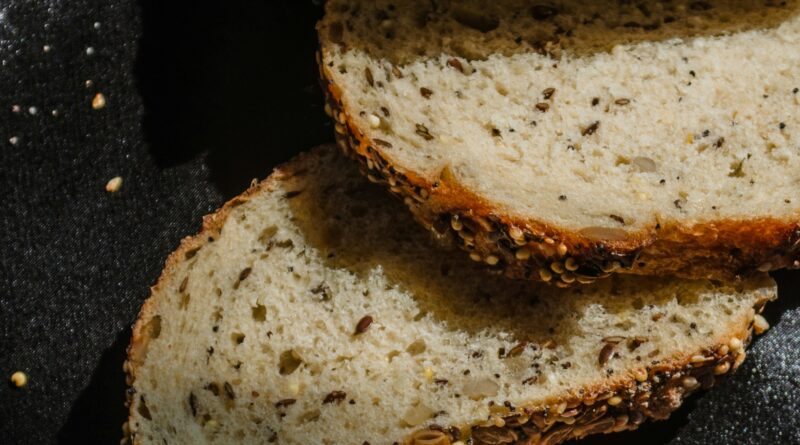
Low Calorie Bread: A Healthy Choice for Weight Management and Better Nutrition
Introduction
Many societies around the world have long considered bread to be a basic diet. Bread is a flexible foodstuff that may be used in a wide range of meals, from wraps and snacks to sandwiches and toast. Traditional bread types, however, can occasionally be rich in calories and carbohydrates, which makes them less appropriate for people attempting to maintain a healthy diet or lose weight. Low calorie bread can help in this situation.
Low calorie bread has grown in popularity among health-conscious consumers because it provides a tasty alternative to traditional bread while containing less calories per slice. Whether you’re on a diet, watching your calorie intake, or simply looking for healthier food options, low-calorie bread can be a great addition.
What Is Low Calorie Bread?
Low calorie bread is a type of bread specifically formulated to contain fewer calories than traditional bread. While a standard slice of white bread may contain between 70 and 100 calories, many low calorie bread options contain as little as 35 to 50 calories per slice.
Manufacturers achieve this reduction by using ingredients that are lower in calories, increasing fiber content, reducing portion size, or incorporating alternative flours. The result is a product that delivers the texture and taste of bread while helping consumers reduce their overall calorie intake.
Benefits of Low Calorie Bread
1. Supports Weight Loss Goals
One of the primary reasons people choose low calorie bread is its potential to support weight management. Since weight loss generally requires maintaining a calorie deficit, replacing regular bread with a lower-calorie option can help reduce daily calorie consumption without sacrificing meals you enjoy.
For example, swapping two slices of traditional bread for two slices of low calorie bread can save anywhere from 50 to 100 calories per meal. Over time, these small changes can contribute significantly to weight-loss efforts.
2. Higher Fiber Content
Many low calorie bread products are made with whole grains, oat fiber, wheat bran, or other fiber-rich ingredients. Fiber helps promote feelings of fullness and satisfaction, reducing the likelihood of overeating.
A diet rich in fiber also supports digestive health, helps regulate blood sugar levels, and may contribute to improved heart health. Choosing a low calorie bread with high fiber content provides multiple health benefits beyond calorie reduction.
3. Better Portion Control
Low calorie bread often comes in thinner slices compared to traditional bread. This built-in portion control allows consumers to enjoy bread-based meals while naturally reducing calorie intake.
Portion control is an essential aspect of healthy eating, and low calorie bread can make it easier to manage serving sizes without feeling deprived.
4. Versatility in Meals
Another advantage of low calorie bread is its versatility. It can be used in nearly every recipe that calls for regular bread. Popular uses include:
- Toast for breakfast
- Sandwiches for lunch
- Grilled sandwiches
- Avocado toast
- French toast
- Bread-based snacks
This flexibility makes it easier to maintain healthy eating habits without dramatically changing your favorite meals.
Nutritional Profile of Low Calorie Bread
The exact nutritional value varies by brand and recipe, but a typical slice of low calorie bread may contain:
- Calories: 35–50
- Carbohydrates: 8–12 grams
- Fiber: 2–6 grams
- Protein: 2–5 grams
- Fat: Less than 1 gram
Many low calorie bread products also contain added vitamins and minerals, including iron, calcium, and B vitamins. Reading nutrition labels is important to identify the option that best fits your dietary needs.
Types of Low Calorie Bread
Whole Wheat Low Calorie Bread
Whole wheat varieties are among the most popular options. They provide more fiber and nutrients than refined white bread while keeping calorie counts relatively low.
Multigrain Low Calorie Bread
Multigrain bread combines different grains and seeds to enhance flavor and nutritional value. These varieties often contain additional fiber and protein.
High-Fiber Bread
Some low calorie bread products focus specifically on maximizing fiber content. These breads can help increase satiety and improve digestive health.
Keto-Friendly Bread
Keto bread is designed for individuals following low-carbohydrate diets. Many keto bread options are also considered low calorie bread because they use ingredients like almond flour and fiber blends to reduce calorie and carbohydrate content.
Gluten-Free Low Calorie Bread
For individuals with gluten sensitivities or celiac disease, gluten-free low calorie bread offers a suitable alternative while helping control calorie intake.
How to Choose the Best Low Calorie Bread
Not all low calorie bread products are created equal. When shopping for the best option, consider the following factors:
Check the Ingredient List
Look for breads made with whole grains, seeds, and natural ingredients. Avoid products with excessive additives, preservatives, or artificial sweeteners whenever possible.
Focus on Fiber Content
Choose a low-calorie bread that provides at least 3 grams of fiber per serving. Higher fiber content can help keep you full longer and support digestive health.
Watch Sodium Levels
Some bread products contain surprisingly high amounts of sodium. Selecting a lower-sodium option can contribute to better heart health.
Consider Protein Content
Protein helps promote satiety and supports muscle maintenance. A low-calorie bread with additional protein can make meals more satisfying.
Read Nutrition Labels Carefully
Always compare serving sizes, calories, fiber, protein, and ingredient quality. The healthiest low-calorie bread balances nutrition with calorie reduction.
Is Low Calorie Bread Healthy?
In many cases, low-calorie bread can be a healthy choice. However, healthiness depends on the specific ingredients used and how the bread fits into your overall diet.
Some products achieve lower calorie counts by reducing portion sizes rather than improving nutritional quality. Others may contain added fillers or artificial ingredients. Therefore, it is important to prioritize products made with wholesome ingredients and adequate fiber.
When paired with nutrient-dense foods such as lean proteins, vegetables, healthy fats, and fruits, low-calorie bread can be part of a balanced and nutritious eating plan.
Homemade Low Calorie Bread
Many people enjoy making low-Calorie bread at home because it allows complete control over ingredients. Homemade recipes often use:
- Whole wheat flour
- Oat fiber
- Psyllium husk
- Egg whites
- Greek yogurt
- Almond flour
Preparing bread at home can help reduce preservatives and customize nutritional content according to individual preferences.
Common Myths About Low Calorie Bread
Myth 1: It Has No Nutritional Value
While some products may be less nutritious, many low-calorie bread options are rich in fiber, vitamins, and minerals.
Myth 2: It Doesn’t Taste Good
Modern recipes and manufacturing techniques have significantly improved the flavor and texture of low-calorie bread. Many consumers find it nearly indistinguishable from traditional bread.
Myth 3: It Is Only for Dieters
Low-calorie bread can benefit anyone seeking healthier eating habits, not just individuals trying to lose weight.
Myth 4: All Low Calorie Bread Is the Same
Different brands and recipes vary greatly in ingredients, nutrition, taste, and quality. Reading labels remains essential.
Tips for Including Low Calorie Bread in Your Diet
To maximize the benefits of low-calorie bread, consider these practical tips:
- Pair it with protein-rich foods such as eggs, turkey, or tuna.
- Use it as a base for healthy sandwiches loaded with vegetables.
- Enjoy it as toast with avocado or nut butter.
- Incorporate it into meal-prep plans for convenient lunches.
- Monitor portion sizes even when consuming lower-calorie products.
By combining low-calorie bread with nutritious ingredients, you can create satisfying meals that support your health and wellness goals.
Conclusion
Low calorie bread is a wonderful option for anyone wishing to save calories while still enjoying one of the world’s most popular cuisines. It has become a great option for health-conscious customers, offering benefits such as weight management support, higher fibre intake, enhanced portion control, and meal variety.
When selecting low-calorie bread, look for goods made with whole grains, high fibre content, and minimally processed ingredients. Low-calorie bread, whether purchased in a store or produced at home, can play a significant part in a balanced diet and promote long-term health and wellness objectives.
Share this content: